
What drop-shipping pixel art taught me about curing all diseases
The case for shallow tech in biology


Biotech is a noble calling. We’re not like those other tech people who work in finance, social media or, heaven forbid, B2B SaaS. Sure, we could probably be making more money in those fields. But life is short and we choose to work on problems that matter. I have built my whole career around these values.
Which is why it has been so painful for me to grapple with what I increasingly see as a dark side of the biology-is-noble worldview. I have come to believe that our dedication to deep tech, our willingness to sacrifice short-term gains in order to work on the hardest problems, is holding us back. I think the best thing for biotech in 2026 might be to get a little bit (just a little bit) greedier and more opportunistic.
Last month I built some shamelessly shallow tech. The thought experiment was “what is the cheapest thing we can build with biology?” The website is cheap.americanwetware.com. The product is a digital artwork painted in genetically engineered cells. We don’t even do the painting ourselves - we outsource that work to the Ginkgo Cloud Lab.
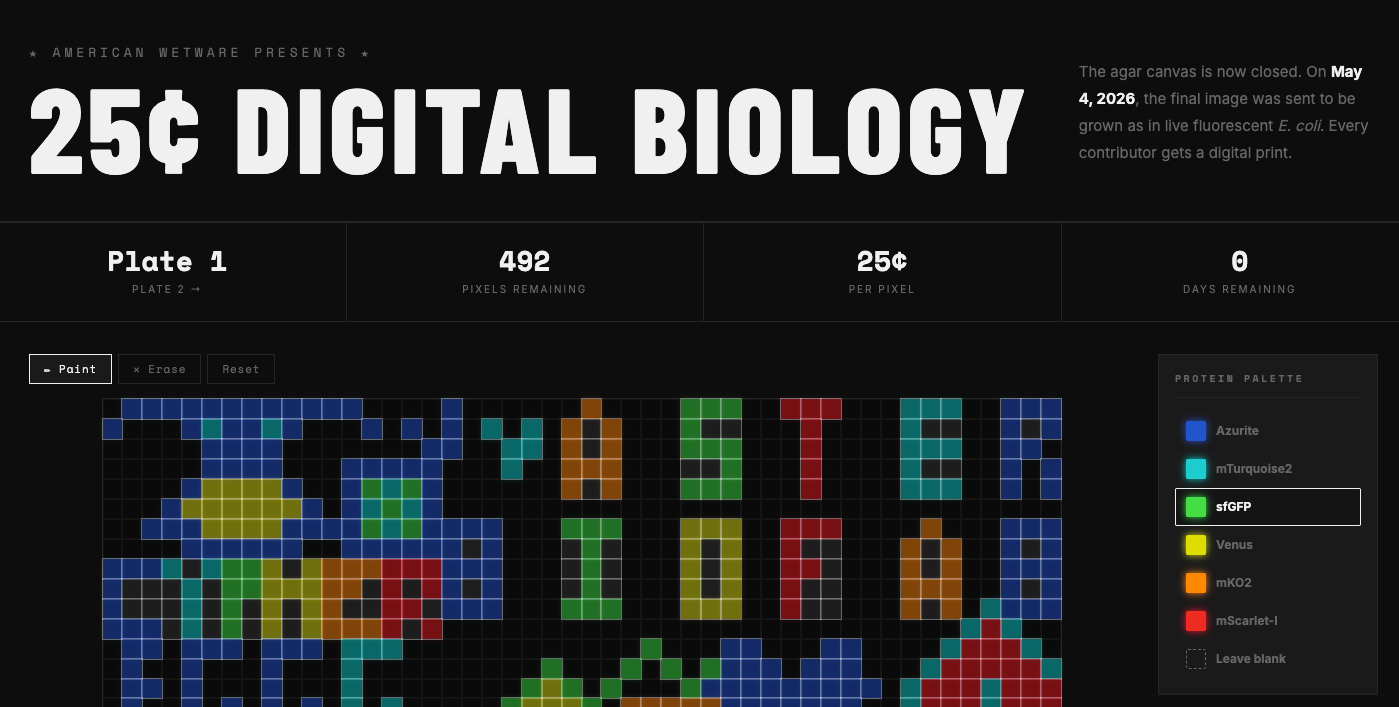
Listen - it wasn’t my life’s ambition to build this. The point wasn’t to cure cancer. It was for us, a team of biologists who are used to thinking on biotech timescales, to see what we could learn by building a product lightning fast. We had never built an e-commerce website before. Now we know we can do it in 3 hours. But the tech part was the easy part (it always is).
The important lesson was about how biology changes when you do it with great urgency. There have been times in my career as a biologist when I submitted grant applications and heard nothing for 9 months. When we launched 25¢ Digital Biology, I was refreshing the order list every 9 seconds.
My academic lab once had an important piece of equipment break and the supplier couldn’t fix it for 3 months. I didn’t really care at the time because I knew the PhD student who was going to need the device wouldn’t start for 6 months.
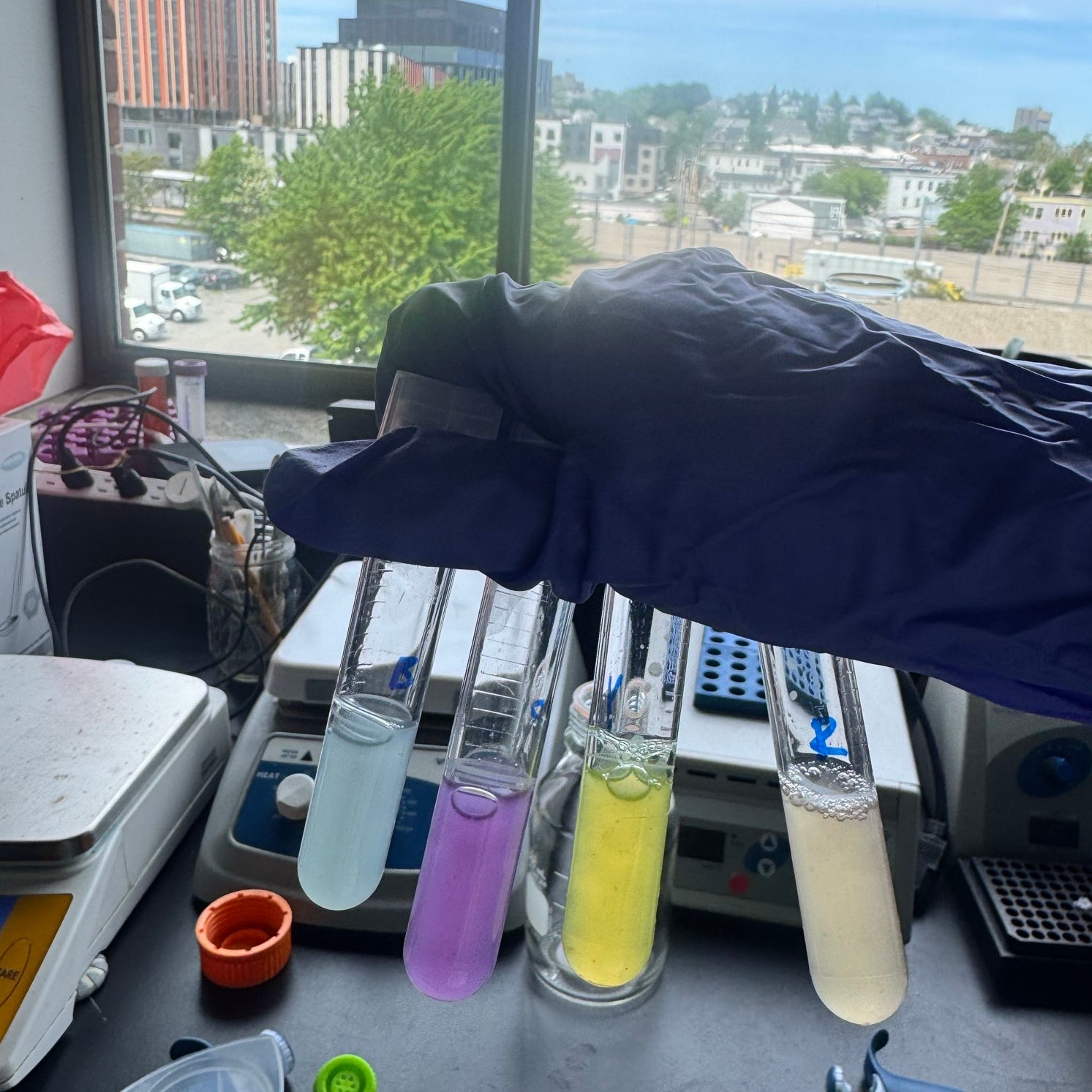
But last month, when our cloud lab provider had a service disruption and our plates were delayed for a week, we all freaked out. We sourced alternate versions of the colorful E. coli. We devised a back up plan to make the plates by hand in a local makerspace using tools from a crochet kit.
Shipping a product, even a tiny one, puts you in a particular headspace. People paid money for this. They are expecting it. We have to make it work right now.
A mentality of urgency is generally not something we cultivate in biology. We lean hard into other virtues: patience, resilience, long-term planning. When you set out to develop a cancer drug, you are beginning a 10-15 year odyssey. You need to be able to take the long view and there’s nothing wrong with that. The problem is that we have built a deep tech ecosystem that is dedicated almost exclusively to the long view.
Academic biology journals don’t want incremental progress, they want transformative breakthroughs. Biotech investors don’t want modest products that work today, they want drug pipelines that pay off billions over decades. In the age of AI, the focus isn’t on all the little ways that AI might make biology more effective, more informative or more profitable, the focus is on curing all cancers.
Biology pays a heavy price for all this grand ambition. Smaller problems, that might be solved in days or weeks, are seen as unworthy of the attention of talented people. With our minds on the distant horizon, short-term delays or distractions don’t bother us all that much. And while we’re all thinking about the huge, generational wins, the minor inconveniences pile up.
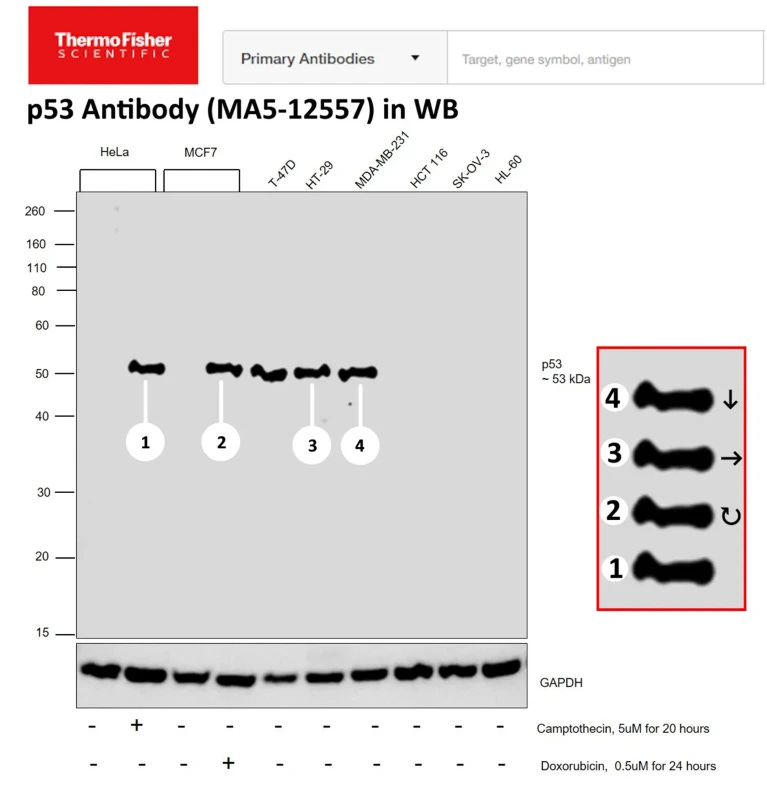
We’re funding gigantic startups dedicated to AI for protein engineering…But research antibodies, a core tool used across the biotech ecosystem, are held to such a low standard of reliability that a major supplier can publish fake QC data and nobody even notices for months.
We’re dreaming of fully automated cloud labs that totally remove humans from the process of research… But the actual physical hardware getting deployed in labs has terrible UX, requires constant fussy calibration, and is often barely used.
We’re building AI scientists that are supposed to execute scientific thinking at the speed of compute… But we’re publishing their findings in prestige journals that take over a year to perform the core scientific process of peer review.
My point is not that long-term ambition is bad. If we were all perfect and wise beings, we’d be able to see the big picture and the details simultaneously. But we’re not. So healthy deep tech ecosystems need scope diversity. We need different people working to solve problems at different scales. Somebody who cares about inventing an entirely new therapeutic modality. Somebody else who cares about making tomorrow’s rt-PCR assay 5% more reliable.
If you’re a biologist and you’ve never tried solving a problem that absolutely needs to ship next week, I recommend it. It is a thrilling change of pace. And if you’re a builder who wants to ship bioproducts, American Wetware is ready to start immediately.
We’re looking for partners who believe that biotech needs faster product cycles, better research tools, and incentives that drive continuous improvements. We have 20 years of biotech experience and 6 weeks of e-commerce experience.